Blog
How to Transform Texas Water Management: A Modern Approach for Sustainability
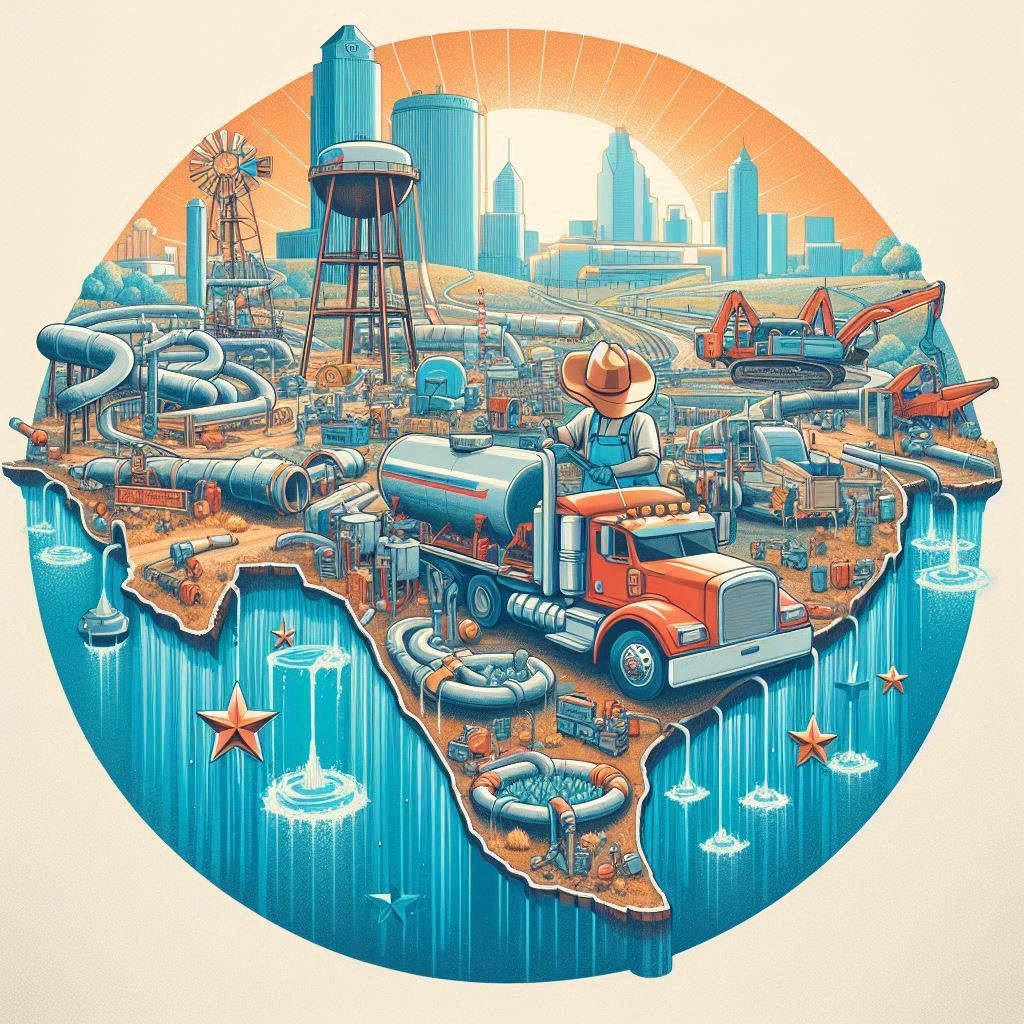
Texas, renowned for its vast landscapes and diverse ecosystems, faces significant water challenges, including drought, population growth, and increasing demand from agriculture and industry. According to the Texas Water Development Board (TWDB), the state’s population is projected to double by 2070, leading to a substantial increase in water demand. To address these challenges, Texas must adopt innovative approaches to water management. By leveraging advanced technologies, optimizing processes, and investing in training and development, Texas can ensure sustainable management of its water resources.

Core Components of Texas Water Project Management
Project Initiation
- Define Project Scope and Objectives: Clearly articulate the project’s goals, deliverables, and constraints. Establish key performance indicators (KPIs) to measure project success. Consider using a SMART goal framework (Specific, Measurable, Achievable, Relevant, and Time-bound) to define clear objectives.
- Identify Key Stakeholders: Determine who will be impacted by the project, including state and local government agencies, water districts, municipalities, environmental groups, and the public. Involve stakeholders early on to build consensus and address potential concerns. Conduct stakeholder workshops, surveys, and public meetings to gather input and feedback.

- Develop a Project Charter: Create a formal document outlining the project’s purpose, scope, objectives, key stakeholders, and high-level milestones.
- Conduct a Feasibility Study: Assess the technical, economic, and environmental feasibility of the project. Consider factors such as water availability, infrastructure needs, regulatory requirements, potential impacts on the environment and community, and financial implications.
Project Planning
- Create a Work Breakdown Structure (WBS): Break down the project into smaller, manageable tasks. Use a hierarchical structure to visualize the project’s scope and identify dependencies. Consider using a work breakdown structure (WBS) template to ensure consistency and completeness.

- Develop a Detailed Project Schedule: Create a realistic schedule, including timelines, milestones, and resource allocation. Use project management tools like Gantt charts and critical path analysis to visualize the project timeline. Consider using project management software like Microsoft Project or Touchplan to track progress and manage dependencies.
- Identify and Assess Risks: Identify potential risks, such as natural disasters, supply chain disruptions, regulatory changes, financial constraints, labor shortages, and cyber threats. Develop mitigation strategies to minimize their impact. Consider using a risk assessment matrix to prioritize risks and allocate resources to mitigation efforts.
- Establish a Robust Communication Plan: Develop a communication plan to keep stakeholders informed and engaged throughout the project lifecycle. Utilize various communication channels, including regular project status reports, meetings, newsletters, emails, and social media. Consider using a communication matrix to identify key stakeholders and their preferred communication channels.
Project Execution
- Assign Tasks and Responsibilities: Clearly assign tasks and responsibilities to team members, considering their skills and experience. Use a responsibility assignment matrix (RAM) to clarify roles and responsibilities.
- Monitor Project Progress: Track project performance against the project plan and make necessary adjustments. Utilize project management software to monitor key performance indicators (KPIs). Conduct regular progress reviews to assess performance and identify potential issues.
- Manage Project Resources: Effectively allocate and manage resources, including budget, personnel, and equipment. Implement cost-control measures to optimize resource utilization. Consider using resource leveling techniques to balance workloads and avoid resource bottlenecks.
- Facilitate Team Collaboration: Foster a collaborative work environment and encourage teamwork. Implement effective communication channels, such as regular meetings, project status reports, and collaboration tools. Leverage team-building activities and cross-functional teams to enhance collaboration.
- Quality Assurance and Control: Implement quality control measures to ensure that the project meets quality standards. Conduct regular quality audits and inspections to identify and address quality issues. Consider using quality management tools such as Six Sigma or Lean methodologies to improve quality and efficiency.
Project Monitoring and Control
- Track Key Performance Indicators (KPIs): Monitor key performance indicators to measure project progress. Use a dashboard to visualize KPIs and identify trends.
- Implement a Robust Change Management Process: Effectively manage changes to the project scope, schedule, or budget. Consider using a change management process that involves impact assessment, approval, and communication.
- Conduct Regular Project Reviews: Conduct regular project reviews to assess performance, identify potential issues, and take corrective action. Use a structured review process, such as a lessons learned review, to identify best practices and areas for improvement.
- Utilize Project Management Software: Employ project management software to track progress, manage risks, and facilitate decision-making. Consider using cloud-based project management software to improve collaboration and accessibility.
Project Closure
- Evaluate Project Performance: Assess the project’s success in meeting its objectives. Use a post-project evaluation to identify lessons learned and areas for improvement.
- Document Lessons Learned: Capture valuable insights for future projects. Create a lessons learned report that summarizes key findings and recommendations.
- Formalize Project Closure: Complete all necessary documentation, including final reports and project closure documents.
- Conduct a Post-Project Evaluation: Evaluate the project’s overall performance and identify areas for improvement. Use a post-project evaluation to assess the project’s impact on the community and the environment.
- Conduct a Project Retrospective: Hold a post-project review meeting to discuss successes, failures, and lessons learned. Use a structured retrospective process to identify areas for improvement and celebrate achievements.
Leveraging Technology for Improved Water Management
- Utilize IoT Devices: Monitor water usage, flow rates, and water quality in real-time. Use IoT sensors to collect data on water pressure, flow rates, and temperature, and use this data to optimize operations and identify potential issues.

- Implement SCADA Systems: Control and monitor water treatment processes remotely. Use SCADA systems to automate processes, improve efficiency, and reduce operational costs.
- Leverage Data Analytics: Analyze water usage data to identify trends, anomalies, and opportunities for optimization. Use data analytics tools to identify patterns and insights that can help improve decision-making.
- Embrace Cloud-Based Solutions: Enhance collaboration, improve data security, and reduce costs. Use cloud-based solutions to store and access data, collaborate with team members, and deploy software applications.
- Adopt Internet of Things (IoT) Technologies: Collect real-time data for informed decision-making. Use IoT devices to monitor water infrastructure, detect leaks, and optimize water distribution.
- Artificial Intelligence and Machine Learning: Utilize AI and ML to optimize water usage, predict equipment failures, and improve overall operational efficiency. Use AI-powered tools to analyze large datasets, identify patterns, and make data-driven decisions.
Prioritizing Training and Development
- Water Treatment Technologies: Explore advanced water treatment technologies and best practices. Stay up to date on emerging technologies and industry trends.
- Water Quality Monitoring and Analysis: Train your team to conduct water quality tests and interpret results. Provide ongoing training and development to ensure that your team has the latest knowledge and skills.
- Energy Efficiency: Implement energy-efficient practices in water treatment and distribution. Conduct energy audits to identify opportunities for improvement and implement energy-saving measures.
- Regulatory Compliance: Stay up to date with environmental regulations and industry standards. Develop a compliance management system to track regulatory requirements and ensure compliance.
- Project Management Fundamentals: Equip your team with the skills to plan, execute, and monitor water projects. Provide training on project management methodologies and core principles.
- Risk Management: Identify, assess, and mitigate potential risks. Develop a risk management plan and conduct regular risk assessments to identify and address emerging risks.
- Financial Management: Develop and manage project budgets effectively. Use financial management tools to track expenses, monitor budget performance, and identify cost-saving opportunities.
- Technical Skills Development: Invest in training to enhance technical skills, such as hydraulic modeling, water quality analysis, and equipment maintenance. Provide opportunities for employees to attend conferences, workshops, and webinars to stay up to date on the latest technologies and best practices.
- Leadership Development: Develop strong leadership skills to inspire and motivate your team. Provide leadership training to develop effective leaders who can inspire and guide their teams.
- Workforce Development: Address workforce challenges by providing training and development opportunities to employees at all levels. Implement a comprehensive workforce development plan to attract, retain, and develop talent.
Partnering with Experts to Drive Operational Excellence
By partnering with experienced project management consultants you can:
- Reduce Operational Costs: Implement cost-effective water management strategies, including energy efficiency measures and optimized water treatment processes.
- Minimize Environmental Impact: Enhance environmental compliance and reduce water pollution.
- Improve Operational Efficiency: Streamline processes and reduce downtime.
- Enhance Regulatory Compliance: Stay up to date with evolving regulations and minimize compliance risks.
- Build a High-Performing Team: Develop a skilled and motivated workforce.
- Address Workforce Challenges: State water agencies may face challenges in attracting and retaining top talent.

By implementing robust project management strategies, leveraging technology, and investing in training and development, Texas can address its water challenges and ensure a sustainable future.
Partner with Falcon Project Consultants and let our experts guide you towards a more sustainable and resilient future for Texas.